

8K Mono LCD Screen Technology and Applications in High-Resolution Imaging

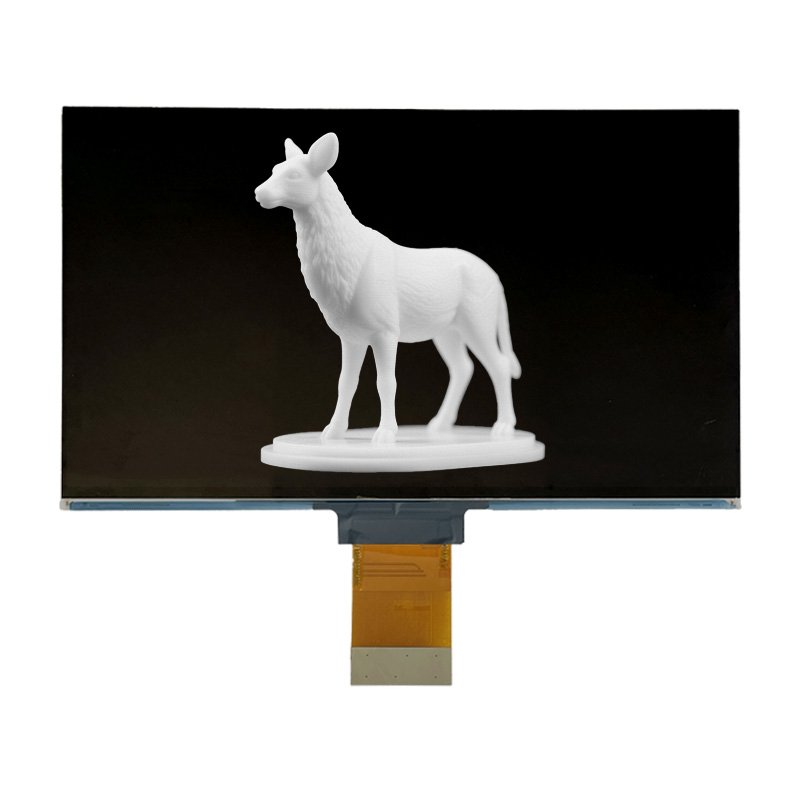
The Role of 8K Mono LCD Screens in Next-Generation High-Resolution Applications
As display technology continues to evolve, demand for ultra-high-resolution monochrome panels is steadily increasing across industrial, scientific, and advanced imaging fields. In particular, the 8K mono LCD screen has emerged as a critical component for applications that require extreme pixel density, precise grayscale control, and stable long-term performance.
Unlike conventional color displays, monochrome LCDs eliminate color filters, allowing higher light transmittance, sharper image edges, and improved contrast. When combined with 8K resolution, these advantages open new possibilities for professional systems where image accuracy is non-negotiable.
This article explores how 8K mono LCD technology is being applied today, what technical characteristics define a high-quality panel, and why the 10.3 inch 8K mono LCD format is gaining attention among system integrators and solution designers.
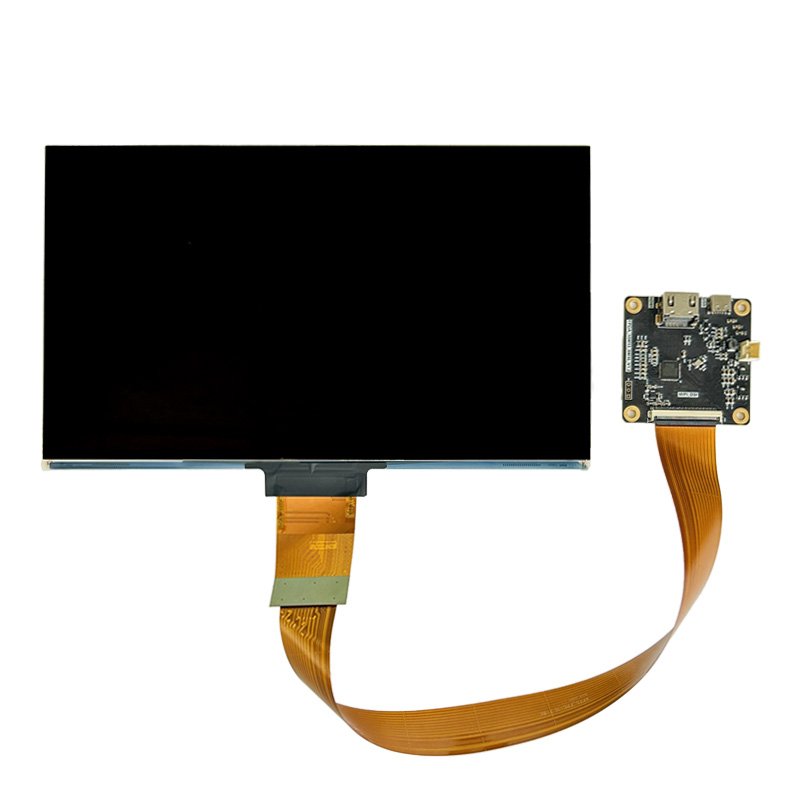
Understanding 8K Mono LCD Technology
An 8K mono LCD screen typically refers to a display panel with a resolution of 7680×4320 pixels operating in monochrome mode. With more than 33 million pixels packed into a compact panel size, such displays deliver exceptional image clarity and spatial accuracy.
Compared with color LCDs, mono LCD panels offer several inherent benefits:
- Higher optical efficiency due to the absence of RGB color filters
- Improved pixel sharpness and edge definition
- Better suitability for grayscale-based image processing
- Reduced power loss and thermal stress
These characteristics make high-resolution mono LCDs particularly suitable for optical systems, machine vision, and industrial imaging platforms where precision matters more than color reproduction.
Why 10.3 Inch Is a Strategic Size for 8K Mono Displays
While 8K resolution is often associated with large-format consumer displays, compact sizes such as 10.3 inch mono LCD panels play a crucial role in professional equipment.
A 10.3 inch form factor strikes a balance between:
- Ultra-high pixel density
- Compact system integration
- Manageable power consumption
At 8K resolution, this size delivers extremely fine pixel pitch, enabling applications that require micro-level detail rendering. For equipment designers, this allows high-resolution output without significantly increasing enclosure size or system complexity.
MIPI Interface and High-Speed Data Transmission
To support 8K resolution in a compact mono LCD module, a high-bandwidth interface is essential. MIPI (Mobile Industry Processor Interface) has become a widely adopted solution for this purpose.
A MIPI mono LCD screen offers several technical advantages:
- High data throughput for ultra-high-resolution signals
- Reduced pin count compared to traditional parallel interfaces
- Improved signal integrity and lower electromagnetic interference
- Compatibility with modern SoCs and image processing platforms
These features make MIPI-based mono LCD modules easier to integrate into next-generation embedded systems while maintaining reliable performance.
Application Scenarios for 8K Mono LCD Screens
The adoption of high resolution mono LCD technology is driven by real-world application requirements rather than consumer trends. Common use cases include:
Industrial Imaging and Inspection
In automated inspection systems, image clarity directly affects defect detection accuracy. An 8K mono LCD display enables operators to visualize fine details that would be missed on lower-resolution panels.
Optical Measurement and Metrology
Precision measurement tools rely on accurate grayscale rendering and sharp pixel edges. Mono LCD panels provide consistent luminance levels that support reliable measurement outcomes.
Medical and Scientific Visualization
Although not consumer diagnostic displays, mono LCDs are often used in laboratory instruments and scientific equipment where data visualization must remain stable over extended operating periods.
Advanced Projection and Optical Modulation
High-resolution mono LCD screens are also used as spatial light modulators in projection systems and optical experiments requiring controlled light patterns.
Key Technical Parameters That Matter
When evaluating an 8K mono LCD display module, engineers typically focus on several critical specifications:
- Resolution and pixel pitch
- Luminance uniformity
- Contrast ratio
- Response time
- Interface stability
- Operating temperature range
A well-designed mono LCD module ensures that these parameters remain consistent under continuous operation, which is essential for industrial and scientific use cases.
Reliability and Long-Term Stability Considerations
Unlike consumer electronics, professional equipment often operates for long hours in controlled or harsh environments. For this reason, mono LCD for industrial applications must prioritize reliability.
Factors such as panel aging, thermal management, and signal stability play a major role in long-term performance. High-quality mono LCD modules are engineered with these considerations in mind, ensuring consistent output over extended service lifecycles.
Integration Flexibility for System Designers
From a system integration perspective, compact high-resolution mono LCD screens offer flexibility across various hardware architectures. Designers can incorporate these displays into standalone instruments, modular systems, or embedded platforms without redesigning the entire optical path.
For developers seeking a reference solution, the 10.3 inch 8K mono LCD screen available here provides a practical example of how ultra-high-resolution monochrome technology can be implemented in real-world systems:
👉 8K mono LCD screen
(Anchor text intentionally uses the core keyword to support internal SEO relevance.)
The Future of 8K Mono LCD Displays
As imaging systems continue to demand higher accuracy and finer detail, the role of ultra-high-resolution mono LCD technology will only expand. Advances in driver ICs, interface optimization, and panel manufacturing are making 8K mono LCD displays more accessible for specialized applications.
Rather than replacing color displays, mono LCD screens occupy a distinct and growing niche—one defined by precision, efficiency, and reliability.
Conclusion
The rise of the 8K mono LCD screen reflects a broader shift toward application-driven display development. In fields where clarity, stability, and grayscale accuracy are essential, high-resolution mono LCD modules provide tangible technical advantages.
With compact sizes like 10.3 inches, high-speed MIPI interfaces, and robust industrial design, these displays are well-positioned to support the next generation of professional imaging and visualization systems.