

UV Light System for Resin 3D Printers: Performance, Design, and Industrial Use

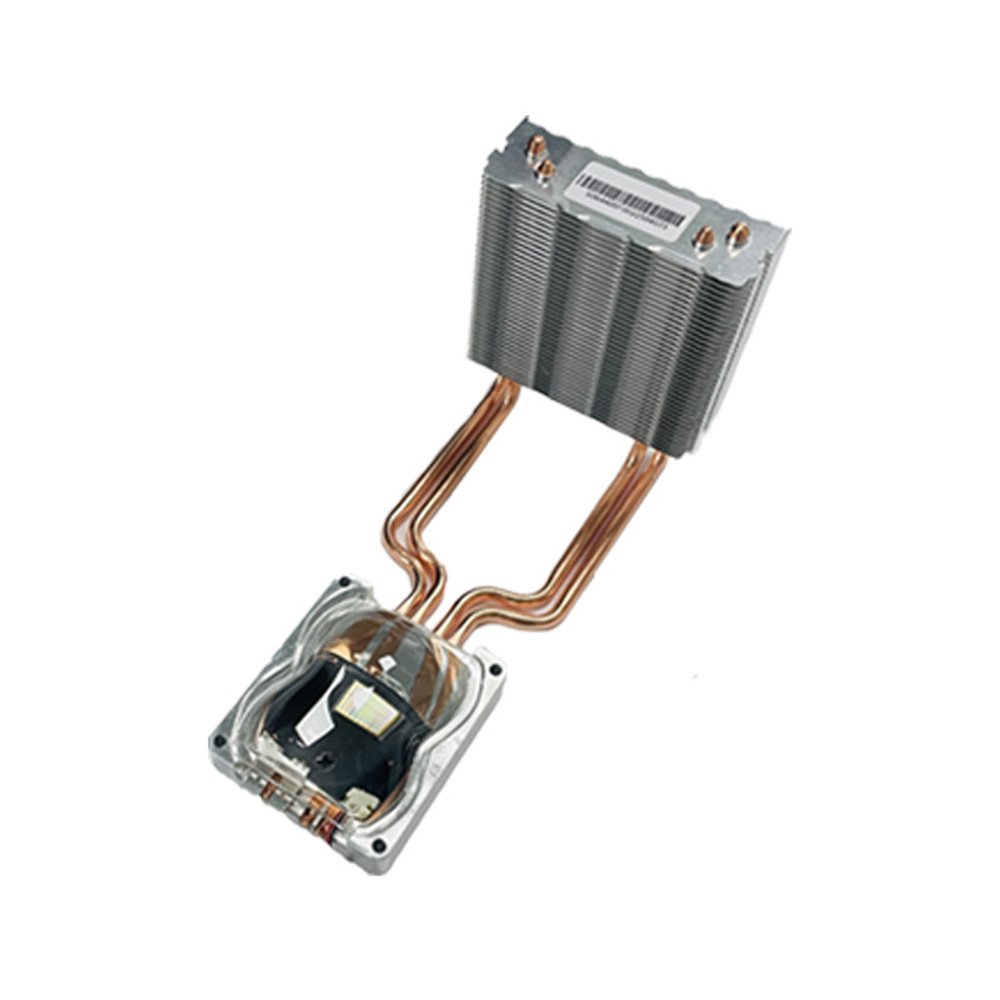
A UV light system for resin 3D printers plays a decisive role in determining curing accuracy, material performance, and long-term printing stability. As resin-based additive manufacturing continues to expand into industrial, dental, medical, and engineering applications, the demand for reliable and precisely controlled UV curing systems has increased significantly.
While motion control and slicing software are often highlighted in 3D printer design, the curing system ultimately defines whether a printed part meets dimensional and mechanical requirements. In professional environments, even minor variations in UV exposure can lead to defects, reduced repeatability, or material inconsistencies.
Understanding the Role of UV Light in Resin 3D Printing
Resin 3D printing relies on photopolymerization, a chemical reaction initiated when ultraviolet light interacts with photosensitive resin. The UV light system delivers controlled energy to selectively solidify resin layer by layer, forming the final three-dimensional object.
A complete UV light system typically includes a UV LED light source, optical components for light distribution, thermal management elements, and electronic control circuitry. Together, these components ensure that curing energy is delivered evenly and consistently across the entire build area.
In SLA and MSLA printers, the stability of the UV system directly affects layer adhesion, surface quality, and dimensional accuracy. Any fluctuation in wavelength, intensity, or exposure time can compromise print quality, especially in high-resolution or large-format machines.
Why UV LED Systems Are Preferred in Modern Printers
UV LED technology has become the standard solution for resin 3D printing due to its stability, efficiency, and controllability. Compared to traditional UV lamps, UV LEDs provide consistent wavelength output, immediate response without warm-up time, and significantly longer service life.
In industrial printing environments, a well-designed
UV light system for resin 3D printers
ensures that curing conditions remain stable throughout long print cycles. This consistency is essential when producing functional components that require tight tolerances and predictable material behavior.
Wavelength Accuracy and Resin Compatibility
Different photopolymer resins are formulated to respond to specific UV wavelengths, most commonly within the UVA range. If the UV light source does not match the resin’s sensitivity curve, curing efficiency decreases, leading to incomplete polymerization or excessive exposure.
A UV LED-based system allows precise wavelength control, enabling compatibility with a wide range of industrial and specialty resins. This flexibility is especially important for manufacturers who need to switch between materials without changing core hardware components.
Accurate wavelength delivery also reduces energy waste and improves curing efficiency, contributing to more stable printing results and lower operating costs.
Uniform Light Distribution and Optical Engineering
Uniform UV exposure across the build area is one of the most critical challenges in resin 3D printing. Inconsistent light intensity can cause uneven curing depth, dimensional distortion, and visible surface artifacts.
Advanced UV light systems incorporate optical diffusers, reflective structures, and optimized LED arrangements to ensure even illumination. By minimizing intensity variation, these systems help maintain consistent layer thickness and reduce the risk of print failures.
For printers targeting industrial or production-level applications, uniform exposure is not optional. It is a fundamental requirement for achieving repeatable and scalable manufacturing results.
Light Intensity Control and Printing Precision
UV light intensity directly influences curing depth and interlayer bonding strength. Low intensity may result in weak layers and reduced mechanical performance, while excessive intensity can cause overcuring and loss of fine detail.
Modern UV LED systems support precise intensity regulation, allowing printers to adapt exposure parameters based on layer thickness, resin type, and geometry complexity. This level of control improves dimensional accuracy and enables more advanced printing strategies.
A stable
UV LED light source for 3D printing
ensures that each layer receives consistent curing energy, even during extended production runs.
Thermal Management and Long-Duration Printing
Thermal stability is essential for maintaining consistent UV output. Excessive heat can alter LED performance, shift wavelength output, and reduce system lifespan. UV LED-based systems generate less heat than traditional UV lamps, making them well suited for continuous operation.
Effective thermal management allows UV light systems to maintain stable performance during long print cycles, which are common in industrial and professional resin printing. Consistent thermal conditions also contribute to predictable curing behavior and reduced maintenance requirements.
Industrial Use Cases and Performance Expectations
Industrial resin 3D printing applications place high demands on UV curing systems. Dental models require micron-level accuracy, medical devices must meet strict material standards, and engineering components often undergo mechanical and thermal testing.
In these scenarios, the UV light system must deliver repeatable performance across multiple builds. A reliable curing system reduces material waste, improves yield rates, and ensures that printed parts meet application-specific requirements.
As resin printing continues to move from prototyping to production, the importance of robust UV curing solutions becomes increasingly evident.
System Integration and Process Control
The UV light system operates as part of a larger printing ecosystem that includes motion control, masking technology, and slicing software. Precise synchronization between these elements ensures accurate exposure timing and energy delivery.
Modern printers integrate UV system control directly into firmware, allowing real-time monitoring and adjustment. This integration enhances process stability and enables advanced features such as variable exposure for complex geometries.
A well-integrated
UV curing system for SLA and MSLA printers
supports higher process reliability and better overall print quality.
Reliability, Maintenance, and Total Cost of Ownership
In professional printing environments, reliability is as important as performance. Frequent UV component replacement leads to downtime and increased operating costs. UV LED systems offer long service life and stable output, reducing maintenance demands.
Energy efficiency is another key advantage. UV LED-based systems consume less power and generate less heat, lowering cooling requirements and operational expenses. Over time, these factors significantly reduce total cost of ownership.
Conclusion
A UV light system for resin 3D printers is a core component that defines curing accuracy, material behavior, and production reliability. From wavelength precision and uniform exposure to thermal stability and long-term durability, every aspect of the UV system influences final print quality.
As resin 3D printing continues to evolve toward industrial-scale applications, investing in a stable and well-engineered UV curing solution becomes essential. A high-quality UV light system not only improves print results but also enables consistent, repeatable manufacturing in demanding environments.