

Engineering Considerations for UV Light Systems in Resin 3D Printers

Introduction
A UV light system for resin 3D printers is often evaluated based on basic specifications such as wavelength and output power, yet in real-world industrial environments, engineering considerations go far beyond datasheet values. As resin 3D printing is increasingly used for functional parts and continuous production, curing systems must be analyzed from a system-level perspective rather than as isolated components.
Inconsistent curing, unexpected material behavior, and print instability are frequently traced back to mismatched UV system design. Understanding how UV light systems interact with optics, electronics, thermal conditions, and resin chemistry is essential for achieving predictable and repeatable printing results.
UV Light Systems as Part of a Complete Curing Architecture
In resin 3D printers, the UV light system is only one part of a broader curing architecture that includes optical masks, projection units, resin vats, and motion systems. Engineering decisions related to the UV source directly influence how these subsystems perform together.
Rather than treating the UV source as a standalone light emitter, engineers must consider how light propagates through optical elements and interacts with the resin surface. Poor system-level design can result in energy loss, uneven exposure, and unpredictable curing depth, even when a high-quality UV source is used.
A well-integrated
UV light system for resin 3D printers
is designed to operate in harmony with the printer’s optical and mechanical architecture, reducing variability across the build platform.
Stability Over Peak Performance
In industrial resin printing, stability is often more important than peak optical output. While high-intensity UV systems may reduce exposure time, excessive or unstable output can introduce overcuring, thermal stress, and dimensional distortion.
Engineering teams increasingly prioritize systems that maintain stable UV output over long durations rather than those optimized solely for maximum brightness. UV LED-based systems excel in this regard by offering predictable output behavior and minimal drift during continuous operation.
Stable curing conditions are particularly critical when producing dimensionally accurate parts across multiple print cycles or batches.
Electrical Control and Signal Integrity
Electrical design plays a significant role in UV system performance. Fluctuations in current supply or inadequate driver design can cause variations in UV intensity, directly affecting curing consistency.
From an engineering perspective, a UV light system should incorporate precise current regulation and protection mechanisms. These features help maintain consistent light output regardless of environmental conditions or operating duration.
A robust
UV LED light source for 3D printing
with well-designed electronic control reduces exposure variability and improves overall print repeatability.
Optical Aging and Output Degradation
Over time, all UV light systems experience some degree of optical degradation. LED output gradually decreases due to material aging, thermal stress, and prolonged operation. In poorly designed systems, this degradation can occur unevenly, leading to localized curing inconsistencies.
Engineering-focused UV systems account for long-term output changes by incorporating conservative operating margins and effective thermal management. These measures slow degradation and extend usable system life.
Understanding expected output decay is essential when designing printers intended for industrial or production environments.
Thermal Behavior and Environmental Influence
Ambient temperature and internal heat buildup have a direct impact on UV system performance. Excessive heat can alter emission characteristics, shift wavelength output, and accelerate component aging.
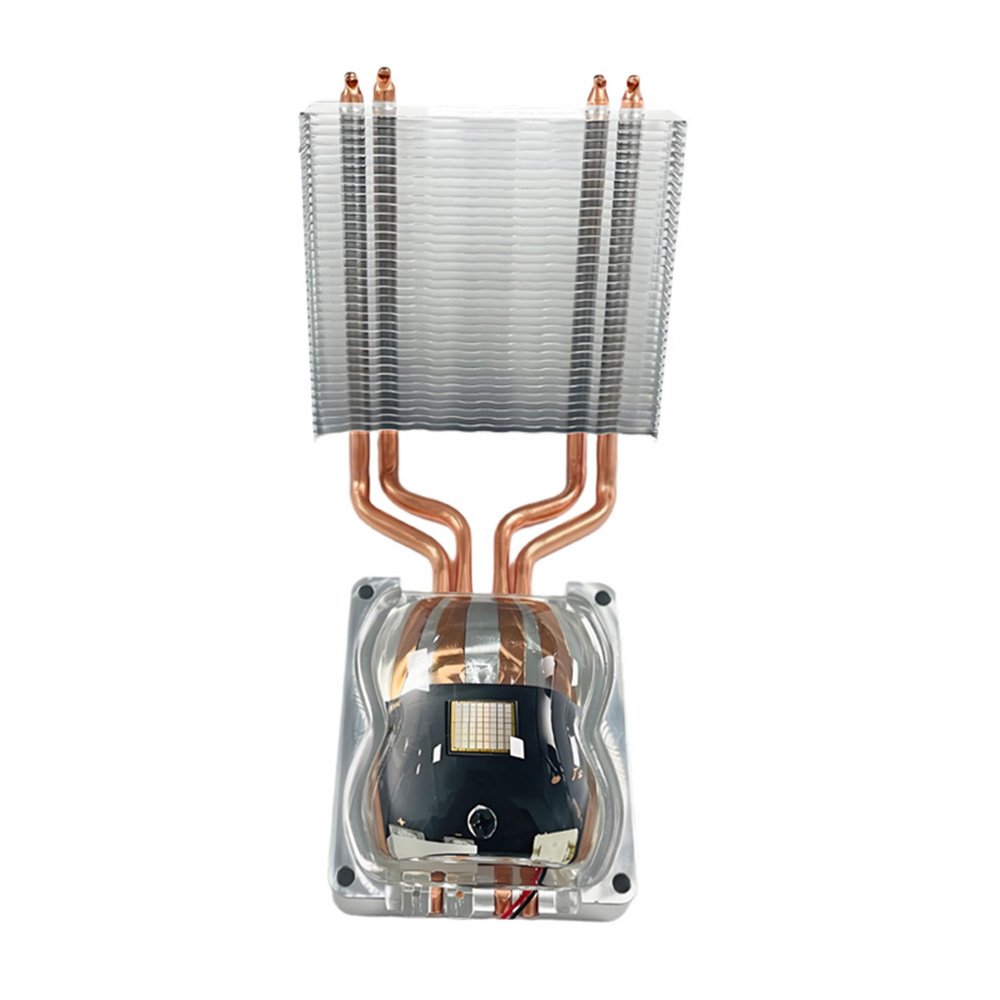
From an engineering standpoint, UV light systems must be designed with sufficient thermal headroom to operate reliably under varying environmental conditions. Active cooling, heat sinks, and airflow design are all critical factors.
In high-duty-cycle applications, thermal stability directly correlates with curing consistency and system reliability.
Process Validation and Curing Repeatability
For industrial resin printing, especially in regulated industries, process validation is essential. UV curing systems must deliver repeatable results that can be documented and verified over time.
Engineers often validate curing systems by measuring exposure uniformity, output stability, and material response under controlled conditions. A UV light system that produces consistent results simplifies validation procedures and improves confidence in production outcomes.
A dependable
UV curing system for SLA and MSLA printers
supports long-term process control and reduces variability between builds.
Failure Modes and Risk Mitigation
Engineering evaluation of UV light systems should include analysis of potential failure modes. Common risks include thermal runaway, driver instability, optical contamination, and uneven LED degradation.
By identifying these risks early, system designers can implement mitigation strategies such as redundancy, monitoring circuits, and preventive maintenance schedules. These measures improve overall system robustness and reduce unexpected downtime.
Understanding failure behavior is especially important for printers deployed in continuous or unattended operation.
Compatibility with Advanced Printing Strategies
As resin 3D printing evolves, advanced strategies such as variable exposure, grayscale masking, and adaptive curing are becoming more common. These approaches place additional demands on UV light systems.
Engineering-oriented UV systems are designed to respond quickly to control signals and maintain linear output behavior across a wide intensity range. This responsiveness enables more precise exposure control and supports complex print geometries.
A UV system that cannot adapt to advanced control strategies may limit the capabilities of an otherwise sophisticated printer platform.
Scalability for Industrial Deployment
Scalability is a key concern when transitioning from prototyping to production. UV light systems used in industrial printers must perform consistently across multiple machines and installations.
Engineering-focused designs emphasize repeatability in manufacturing and predictable performance across units. This consistency simplifies calibration, reduces commissioning time, and supports fleet-level deployment.
Scalable UV systems allow manufacturers to expand production capacity without sacrificing print quality.
Conclusion
A UV light system for resin 3D printers should be evaluated not only by specifications but by how well it performs as part of a complete engineering system. Stability, electrical control, thermal behavior, and long-term reliability are often more critical than peak output alone.
By adopting an engineering-driven approach to UV system selection and integration, resin 3D printer manufacturers can achieve higher curing consistency, improved process validation, and reduced operational risk. As resin printing continues to move toward industrial production, the role of well-engineered UV light systems becomes increasingly central to successful deployment.