

Advancing Resin 3D Printing with a 10.1‑inch 16K Yellow Polarizer Film Mono LCD Screen


The landscape of resin 3D printing continues to evolve rapidly, with display technologies at the heart of performance improvements across consumer, prosumer, and industrial markets. Among the critical components shaping this transformation is the 10.1‑inch 16K yellow polarizer film MIPI 51Pin mono LCD screen — engineered specifically to enhance precision, efficiency, and longevity in resin-based manufacturing systems. This article explores the technical rationale behind this design, examines how it addresses current market needs, and places the technology within the broader context of 3D printing applications.
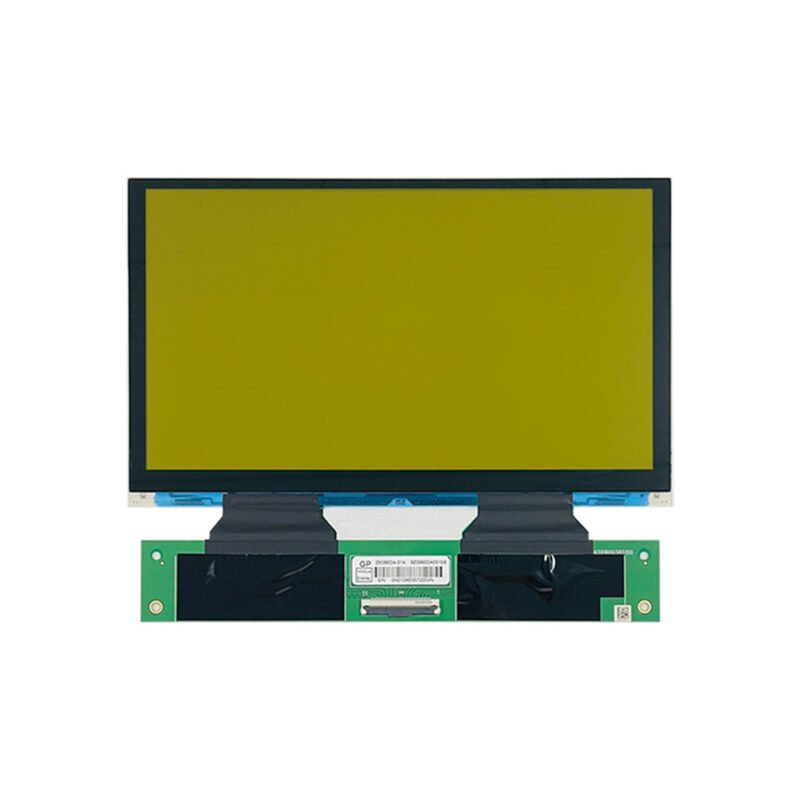
🖥️ Technical Foundations: What Makes a Mono LCD with Yellow Polarizer Different
At its core, the product is a monochrome liquid crystal display (mono LCD) optimized for use as the dynamic mask in resin 3D printers, particularly those using masked stereolithography (MSLA) technology. Unlike traditional RGB LCD panels, which contain colored filters, a mono LCD omits these filters entirely. The absence of color filters allows significantly higher transmission of ultraviolet (UV) light, the same light that cures photosensitive resin in each printed layer. This higher light throughput translates into faster cure times and improved energy efficiency — critical factors in modern 3D printing workflows.
The yellow polarizer film incorporated into this 10.1‑inch mono LCD module further enhances this optical pathway. Specially engineered yellow polarizers selectively absorb and polarize within UV-relevant bands, improving overall transmittance for UV curing wavelengths commonly used in resin printing (typically around 405 nm). By optimizing UV transmission and reducing stray reflections, this polarizer layer enhances contrast and edge clarity of the printed mask, leading to sharper layer definition and better surface finish on printed parts.
Technical design parameters such as the MIPI 51‑pin interface also contribute to the module’s relevance. MIPI interfaces are a common standard in embedded systems, ensuring reliable, high-speed data transfer between the display and the controller board within a printer’s electronics. This supports seamless integration with widely used control architectures in both desktop and industrial resin printers, reducing development complexity for OEM designers and system integrators.
🧠 Why Mono LCD? The Engineering Benefits for Resin Printing
The shift from RGB to monochrome LCDs in resin printers has been one of the most impactful evolutions in recent years. In traditional RGB panels, color filters block a large portion of UV light. Only about 3% to 5% of UV energy actually passes through to the resin when using a color display. Mono LCDs, by contrast, allow significantly more UV light transmission, which reduces the exposure time needed for each layer to cure.
This fundamental change delivers multiple downstream benefits:
- Faster Print Speeds: Higher UV throughput speeds up layer cure times, enabling faster overall print cycles.
- Longer Lifetime: Mono LCDs are inherently more resistant to UV degradation because they exclude delicate color filters that deteriorate under repeated UV exposure. This longevity reduces maintenance costs and extends the usable life of the screen.
- Precision and Stability: Uniform light transmission without color filter inconsistencies supports more reliable layer curing, reducing defects and improving dimensional accuracy.
The addition of a yellow polarizer enhances optical efficiency by filtering and aligning polarized light more effectively at the wavelengths used for curing. This reduces stray light that can cause over-cure or unintended resin hardening and improves contrast for diagnostic or monitoring user interfaces built into the printer panel.
📊 Application Scenarios Where Precision Matters
Mono LCD screens with advanced optical enhancements like yellow polarizer films are widely used across several resin 3D printing applications:
1. Dental and Medical Modeling
Precise anatomical models, surgical guides, and dental prosthetics require high dimensional fidelity and surface finish — conditions where the clarity and uniformity of the light mask make a measurable difference.
2. Jewelry and Miniature Prototyping
Intricate geometries with fine details are common in jewelry design and collectible miniatures. Higher resolution mono LCDs with optimized contrast support reproducibility of delicate features.
3. Industrial Prototyping and Low-Volume Manufacturing
Professional prototyping often involves functional parts that must meet tight tolerances. Enhanced LCD modules help reduce failure rates and variability, increasing throughput and confidence for engineering use cases.
4. Educational and Research Laboratories
Lower barriers to entry combined with enhanced lifetime and print quality make such advanced mono LCDs attractive for academic and mixed-use lab environments exploring new materials or processes.
Across these scenarios, improvements in optical efficiency reduce printing time and total cost of ownership — benefits relevant to both professional users and industrial operations.
💹 Market Demand: Why High-Performance LCDs Matter Today
The resin 3D printer market has grown dramatically over the last decade due to improvements in affordability, ease of use, and material diversity. Electronics and display technologies have not only kept pace but actively enabled higher performance tiers across the segment.
Two key market dynamics highlight the rising demand for advanced display modules such as the 10.1-inch 16K mono LCD with a yellow polarizer film:
1. Increasing Demand for Speed and Precision:
Modern users, from professional prototypers to industrial manufacturers, push for faster print times and greater detail. Mono LCDs support rapid layer exposures without compromising accuracy.
2. Total Cost of Ownership Considerations:
Replacement screens and maintenance contribute non-trivial costs in production 3D printing environments. Longer-lasting mono LCDs and improved optical stacks reduce replacement frequency and mitigate downtime.
As awareness of these benefits spreads, adoption accelerates across segments that historically used slower or less durable technologies. This catalyzes broader interest in modules offering premium optical performance aligned with existing printer ecosystems.
🔍 Integration and OEM Considerations
Professional designers and manufacturers selecting display components for MSLA printers increasingly look for solutions that balance performance with integration ease. Mono LCD modules with standardized MIPI interfaces and optical enhancements like yellow polarizer films fit well into this need set.
For OEMs, choosing a display partner that offers advanced modules while supporting technical documentation, customization, and scalable supply chains is increasingly important, especially as 3D printers transition from hobbyist ecosystems into industrial production. Investing in high-quality display modules can reduce development risk and accelerate time to market.
✅ Conclusion: A Strategic Upgrade for Resin Printing Technology
The 10.1-inch 16K mono LCD screen with a yellow polarizer film represents a marked step forward in display technology for resin 3D printing applications. By combining high transmittance mono LCD design with specialized optical components, this module directly addresses key challenges in speed, precision, and durability that have long constrained older technologies.
As the market continues to adopt higher resolution panels and demand better performance, such enhancements signal a broader trend: display technology is no longer a passive component but an active enabler of quality, consistency, and efficiency in advanced manufacturing workflows.
For developers and manufacturers looking to leverage cutting-edge display solutions in resin 3D printing, mono LCD screens optimized with yellow polarizers offer a compelling combination of optical performance and practical integration benefits — aligning technology with the evolving needs of both professional users and large-scale production environments.