

How a UV Light Meter Is Used to Measure LCD Light Uniformity in 3D Printers

Introduction
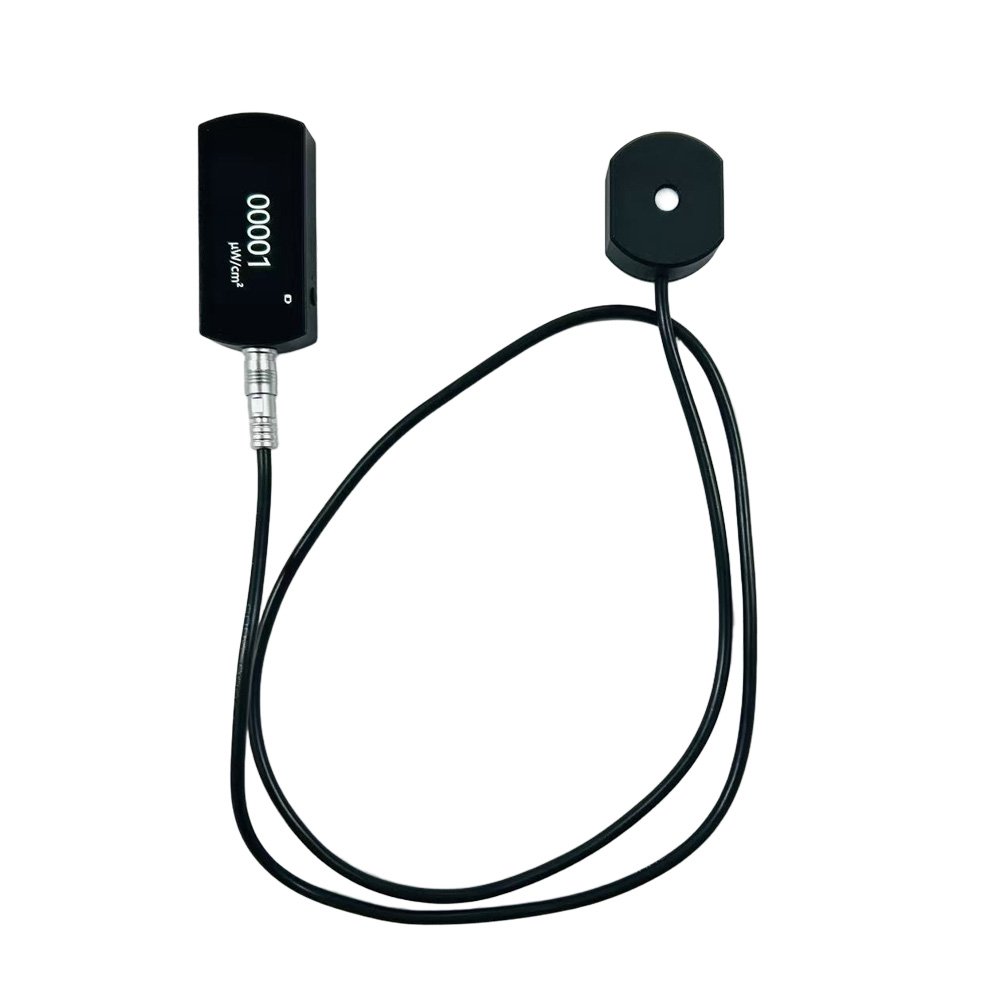
In resin-based additive manufacturing, accurate exposure control is essential for achieving consistent print quality. While slicer settings and resin parameters are often adjusted to optimize results, the actual UV energy delivered to the resin is determined by the optical system of the printer. At the center of this evaluation process is the UV light meter, a measurement tool specifically designed to quantify ultraviolet light intensity.
A UV light meter plays a critical role in measuring LCD light uniformity in resin 3D printers by providing objective, repeatable data on how evenly UV light is distributed across the LCD surface. Without reliable measurement, exposure-related problems often go unnoticed until print failures occur.
Why a UV Light Meter Is Essential in LCD-Based 3D Printing
In MSLA and masked LCD 3D printers, the LCD panel acts as a spatial light modulator that selectively allows UV light to pass through. Ideally, each active pixel should transmit a consistent amount of energy to ensure uniform resin curing.
A UV light meter enables engineers and technicians to:
- Quantify actual UV intensity at 405nm
- Compare light output across different LCD regions
- Detect exposure imbalances invisible to the human eye
- Establish baseline performance data
This makes the UV light meter an indispensable tool for LCD light uniformity assessment.
Understanding UV Light Measurement at 405nm
Most resin 3D printers operate at a wavelength of approximately 405nm, which is outside the visible spectrum. Measuring light at this wavelength introduces several technical challenges:
- Standard lux meters are calibrated for visible light
- Camera-based solutions lack spectral accuracy
- Ambient reflections distort readings
A 405nm UV light meter is specifically calibrated to respond accurately to this wavelength, ensuring that measured values directly reflect the energy responsible for resin polymerization.
Placement and Measurement Strategy Using a UV Light Meter
To accurately evaluate LCD light uniformity, a structured measurement strategy must be applied. Simply taking a single reading at the center of the screen is insufficient.
A typical workflow using a UV light meter includes:
- Removing the resin vat to expose the LCD panel
- Activating a full-field white exposure pattern
- Dividing the LCD area into a grid of measurement points
- Positioning the UV light meter probe at each point
- Recording intensity values for comparison
This approach allows technicians to map UV distribution across the entire build area.
Grid Density and Data Accuracy
The resolution of the measurement grid directly affects the accuracy of uniformity analysis. Larger LCD panels require more measurement points to capture subtle intensity variations.
Using a UV light meter with stable repeatability ensures:
- Consistent probe response
- Reliable comparison between points
- Accurate identification of localized hot or weak zones
This level of detail is especially important in industrial resin printers with large-format LCDs.
Calculating Light Uniformity from UV Light Meter Data
Once measurements are collected, uniformity is typically calculated using the ratio between minimum and maximum intensity values.
A common formula is:
Uniformity (%) = (Minimum UV Intensity / Maximum UV Intensity) × 100
UV light meter data provides the numerical foundation for this calculation, enabling objective performance evaluation rather than subjective judgment.
Typical Uniformity Benchmarks in Resin 3D Printing
Although acceptable thresholds vary, most professional systems aim for:
- ≥85% for standard applications
- ≥90% for high-precision or industrial use
If UV light meter readings fall below these benchmarks, corrective actions such as optical realignment or component replacement may be required.
Identifying Root Causes of Non-Uniformity
UV light meter measurements often reveal characteristic patterns that point to underlying hardware issues, including:
- Edge darkening caused by LED array geometry
- Central hotspots from uneven diffusion
- Gradual intensity drop due to LCD aging
- Asymmetrical distribution from optical misalignment
By analyzing spatial data from a UV light meter, engineers can diagnose problems more efficiently.
UV Light Meter Use in Maintenance and Calibration
Beyond initial testing, a UV light meter is also valuable for ongoing maintenance. Routine measurements allow users to track performance changes over time and identify degradation trends before print quality is affected.
Common maintenance use cases include:
- Post-repair verification
- Preventive maintenance checks
- LCD replacement validation
Limitations of Indirect Measurement Methods
Some users attempt to infer light uniformity through printed test models or exposure calibration prints. While useful, these methods are indirect and influenced by resin properties, temperature, and slicing parameters.
A UV light meter provides direct measurement of the physical variable that truly matters: delivered UV energy. This reduces uncertainty and improves troubleshooting efficiency.
Integrating UV Light Meter Data into Quality Control
In manufacturing environments, UV light meter measurements are often incorporated into standardized quality control procedures. Data collected during final inspection can be stored and compared across production batches.
This approach supports:
- Process consistency
- Traceability
- Early detection of systemic issues
UV light meter for 3D printers
Long-Term Benefits of Using a UV Light Meter
Consistent use of a UV light meter delivers long-term advantages, including:
- Reduced print failure rates
- Extended LCD service life
- Improved exposure predictability
- Lower maintenance costs
These benefits are particularly valuable in professional and industrial resin printing environments.
Choosing the Right UV Light Meter for LCD Testing
Not all UV sensors are suitable for resin 3D printing. An effective UV light meter for LCD testing should offer:
- Accurate 405nm spectral response
- Stable and repeatable readings
- Compact probe design for LCD surfaces
- Reliable calibration over time
Conclusion
Accurate exposure control in resin 3D printing begins with understanding how UV energy is distributed across the LCD panel. A UV light meter provides the quantitative insight needed to evaluate LCD light uniformity, diagnose optical issues, and maintain consistent printing performance.
By integrating UV light meter measurements into testing, calibration, and maintenance workflows, users can achieve greater reliability, improved print accuracy, and longer system lifespan in LCD-based 3D printers.