

UV Light System Reliability in Resin 3D Printers

Introduction
A UV light system is a critical component in resin 3D printers, influencing both curing accuracy and long-term operational stability. In industrial applications, the reliability of the UV system determines uptime, product consistency, and overall print quality. Unlike mechanical parts that show visible wear, UV system degradation is often subtle and can silently impact curing performance over time.
Understanding the lifespan, maintenance requirements, failure modes, and operational limits of a UV light system for resin 3D printers is essential for engineers and operators. A properly designed system not only ensures consistent curing but also reduces production risk and maintenance costs. This article explores key factors affecting UV system reliability and provides insights for maintaining optimal performance in industrial resin printing workflows.
Lifespan of UV Light Systems
The lifespan of a UV light system largely depends on the light source technology, thermal management, and operating conditions. Traditional mercury lamps degrade relatively quickly, requiring frequent replacement and recalibration. UV LED-based systems, in contrast, offer significantly longer service life, often exceeding 20,000 to 50,000 operational hours.
Despite their longevity, UV LED systems still experience gradual output reduction over time. This decay can result in diminished curing depth and inconsistent layer bonding if not monitored and compensated. A well-engineered
UV light system for resin 3D printers
incorporates stable LEDs, effective heat dissipation, and consistent current regulation to maintain output uniformity across its lifespan.
Thermal Management and Operational Stability
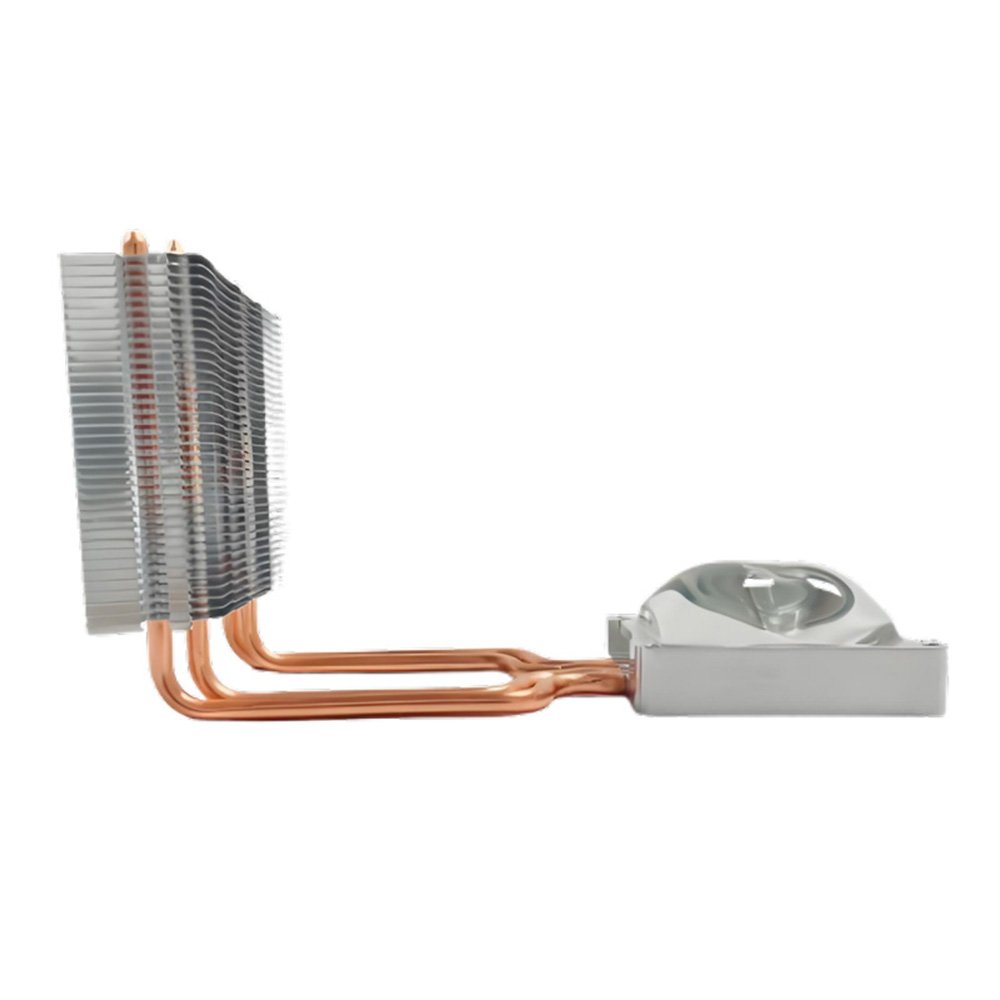
Heat is one of the most critical factors affecting UV system performance. Excessive temperatures can accelerate LED degradation, shift wavelength emission, and reduce light intensity. Proper thermal design—including heat sinks, forced-air cooling, or liquid cooling in advanced systems—ensures that a UV light system maintains stable output under continuous operation.
In industrial resin printers operating for extended periods, thermal instability can lead to inconsistent curing and increased maintenance needs. Engineers must account for both ambient conditions and internal heat buildup when integrating a UV system to maintain reliable performance.
Common Failure Modes
Understanding common failure modes helps minimize downtime and maintain print quality. The most frequent issues in UV systems include:
- LED degradation: Gradual reduction in output intensity over time.
- Driver instability: Fluctuating current supply affecting UV output consistency.
- Optical contamination: Dust or resin residues reducing light transmission efficiency.
- Thermal stress: Excess heat causing accelerated aging or premature failure of components.
Early detection and preventive maintenance can mitigate these risks. A high-quality UV LED light source for 3D printing often includes monitoring features, temperature sensors, and protective circuits to improve reliability.
Maintenance Practices
Regular maintenance ensures the UV system continues to deliver consistent curing performance. Key practices include:
- Cleaning optical elements: Resin droplets, dust, or fingerprints on lenses or diffusers can reduce UV transmission and create non-uniform curing.
- Inspecting thermal components: Fans, heat sinks, or cooling channels must remain free of debris and functional.
- Verifying electrical stability: Check driver circuits, power supplies, and connections to avoid intermittent output variations.
- Calibration checks: Measure UV intensity and uniformity periodically to detect gradual output changes and adjust exposure parameters accordingly.
A UV curing system for SLA and MSLA printers that is regularly maintained ensures consistent material properties, dimensional accuracy, and surface finish.
Impact of UV System Degradation on Print Quality
Degraded or inconsistent UV output can produce multiple printing issues:
- Dimensional inaccuracies: Uneven curing leads to shrinkage, warping, or expansion of features.
- Reduced interlayer adhesion: Weak bonding between layers compromises mechanical strength.
- Surface defects: Gloss variation, rough surfaces, or micro-layer lines may appear.
- Material inconsistencies: Variation in hardness, flexibility, or color across a single part.
Maintaining stable performance of the UV light system is critical to avoid these quality issues, especially in industrial production environments where tolerances are tight and repeatability is crucial.
Reliability in Industrial Production
In industrial resin printing, reliability directly impacts productivity. High-duty-cycle printers require UV systems that can operate continuously without performance drift. Any variability in curing output can lead to inconsistent parts, higher failure rates, and increased operational costs.
A reliable UV light system for resin 3D printers provides predictable performance across multiple builds and materials. This reliability supports process standardization, regulatory compliance, and reduces the need for post-processing corrections.
Monitoring and Predictive Maintenance
Advanced UV systems include built-in monitoring for output intensity, temperature, and operating hours. These features enable predictive maintenance, allowing operators to replace or service components before print quality is affected.
By tracking key performance indicators, such as UV intensity decay or thermal excursions, manufacturers can schedule maintenance proactively, reducing unplanned downtime and maximizing productivity.
Cost-Benefit Analysis
Investing in a high-quality, reliable UV light system can have a higher initial cost but offers lower long-term expenses. Reduced maintenance frequency, longer LED lifespan, and fewer failed prints contribute to a lower total cost of ownership.
When evaluating UV systems for industrial resin printers, consider:
- Longevity of LEDs and drivers
- Thermal management design
- Ease of maintenance
- Stability of output over time
A well-engineered UV system is a cost-effective choice in high-volume or mission-critical production.
Environmental and Safety Considerations
Proper handling and maintenance of UV systems also enhance safety and reduce environmental impact. Overheating or damaged LEDs can emit inconsistent UV radiation, which may pose safety risks to operators. Ensuring ventilation, shielding, and proper disposal of aging components protects both people and equipment.
Future Trends in UV System Reliability
Next-generation resin printers increasingly integrate UV systems with smart controls, automated monitoring, and predictive analytics. These features further improve reliability by alerting operators to deviations in curing performance, component degradation, or thermal stress.
Such advancements make it easier to maintain consistent print quality, reduce operational risk, and extend system lifespan, even in demanding industrial environments.
Conclusion
A UV light system for resin 3D printers is not just a functional component—it is a cornerstone of industrial printing reliability. Understanding lifespan, failure modes, maintenance practices, and thermal management is essential for consistent curing performance.
By selecting a well-designed UV system and implementing regular maintenance and monitoring, manufacturers can ensure high-quality parts, reduced downtime, and predictable long-term performance. Reliable UV curing systems are essential for scaling resin 3D printing from prototyping into full industrial production.