

Why LCD UV Light Meter Uniformity Testing in Resin 3D Printing Accuracy

Introduction
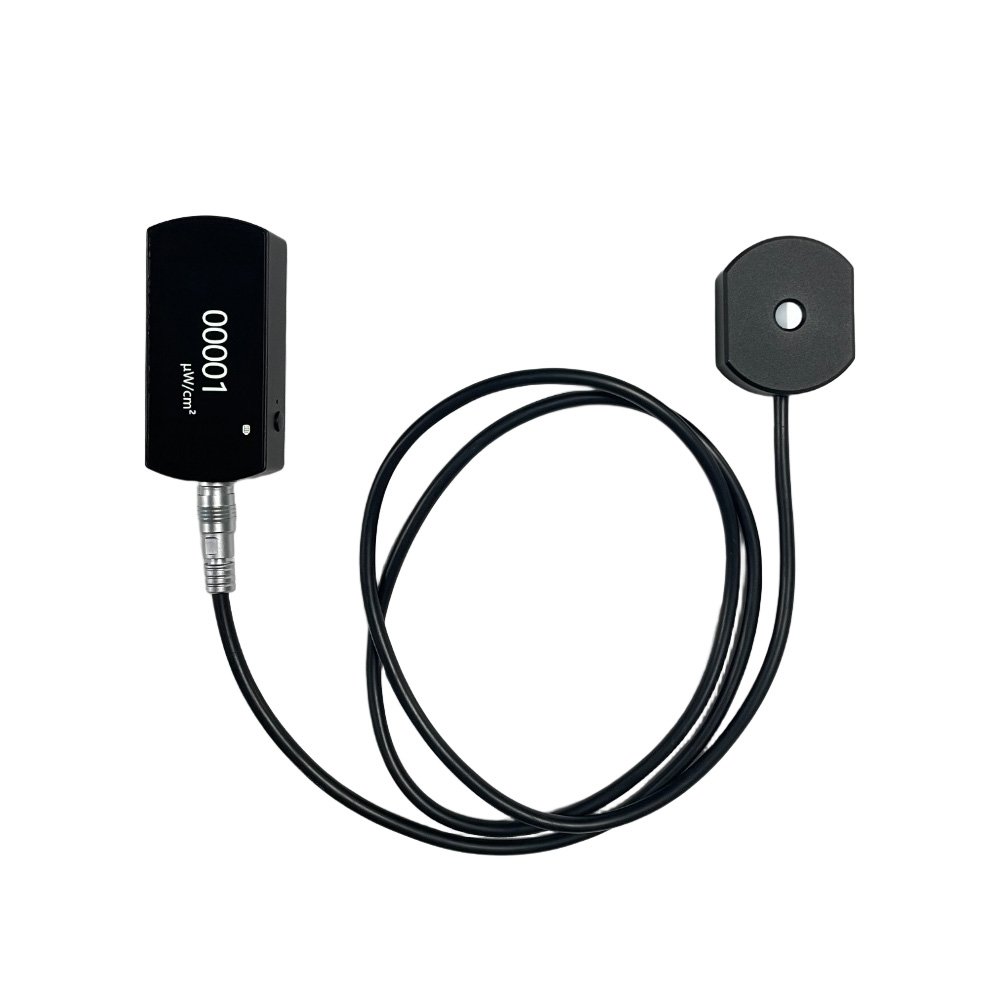
In practical engineering workflows, LCD light uniformity testing for 3D printers is typically performed using a dedicated UV Light Meter designed for 405nm wavelength measurement. By collecting light intensity data at multiple points across the LCD surface, engineers can determine whether the UV exposure delivered through the panel is evenly distributed. Without accurate measurement using a UV Light Meter, light non-uniformity often remains undetected, leading to inconsistent resin curing, dimensional deviations, and reduced print reliability.
LCD light uniformity testing for 3D printers is a critical process used to evaluate whether UV light intensity is evenly distributed across the entire exposure area. Without sufficient uniformity, even well-calibrated printers may suffer from inconsistent curing, dimensional errors, and unpredictable print failures.
The Role of the LCD in Resin 3D Printing
In LCD-based resin printers, the LCD functions as a dynamic mask rather than a traditional display. During each exposure cycle, specific pixels are activated to allow UV light to pass through and cure the resin layer by layer.
This means that:
- Every active pixel should transmit a similar amount of UV energy
- Exposure consistency must be maintained across the full build area
- Light intensity variations directly affect resin polymerization
If the LCD screen exhibits uneven light transmission, different regions of the printed object may cure at different rates, even when using identical exposure settings.
Why Light Uniformity Directly Affects Print Accuracy
In resin 3D printing, accuracy is determined not only by XY resolution and Z-axis precision but also by uniform exposure energy. Variations in light intensity across the LCD can lead to several accuracy-related issues:
- Dimensional deviation between central and edge regions
- Overcured or undercured features in specific zones
- Uneven layer adhesion, increasing the risk of delamination
- Surface artifacts caused by inconsistent resin shrinkage
These problems become more pronounced when printing large models or multiple parts simultaneously across the build plate.
This is why LCD light uniformity testing for 3D printers is increasingly recognized as a foundational quality metric rather than an optional diagnostic step.
Understanding Exposure Consistency in MSLA Systems
Exposure consistency refers to the ability of a printer to deliver the same UV energy per unit area across the entire LCD panel. While slicer software can compensate for overall exposure time, it cannot correct localized intensity variations caused by hardware limitations.
Factors that influence exposure consistency include:
- LED array layout beneath the LCD
- Optical diffusion layers
- Polarizer quality
- LCD panel aging
- Thermal behavior during prolonged operation
Without measurement-based validation, these factors remain hidden until print defects appear.
Why Visual Inspection Is Not Enough
Unlike visible-light displays, the LCD panels used in resin printers operate primarily at 405nm UV wavelength, which is invisible to the human eye. As a result, uneven light distribution cannot be reliably detected through visual inspection alone.
Additionally:
- Camera sensors may not be calibrated for UV wavelengths
- Resin vats alter perceived brightness
- Reflections and ambient light introduce errors
Only dedicated UV light uniformity measurement methods can provide objective and repeatable results.
UV light uniformity measurement
Typical Uniformity Requirements in Resin 3D Printing
Although acceptable uniformity thresholds vary by application, most professional and industrial resin 3D printers aim for light uniformity values above 85%, with premium systems approaching 90–95%.
Lower uniformity levels may still allow printing, but often require:
- Increased exposure times
- Reduced usable build area
- Frequent re-calibration
These workarounds reduce productivity and shorten LCD lifespan over time.
How Poor Light Uniformity Manifests in Printed Parts
When LCD light uniformity is insufficient, defects tend to follow predictable patterns:
- Edge underexposure: Parts near the edges appear softer or incomplete
- Central overexposure: Features in the center lose sharpness
- Inconsistent wall thickness across identical geometries
- Warping or curling caused by uneven curing stress
Routine LCD light uniformity testing for 3D printers allows these issues to be identified before they impact production quality.
Measuring Light Uniformity in Practical Scenarios
In a typical testing procedure:
- The resin vat is removed to expose the LCD surface
- A full-white exposure pattern is activated
- The LCD is divided into a grid of measurement points
- UV intensity is measured at each location
- Uniformity values are calculated and recorded
Using a purpose-built LCD light uniformity testing tool ensures wavelength accuracy and repeatable positioning during this process.
LCD light uniformity testing tool
Impact on Production and Quality Control
For manufacturers producing resin 3D printers, light uniformity testing is often integrated into:
- Factory calibration procedures
- Incoming LCD quality inspection
- Final system validation
For end users and service providers, it supports:
- Preventive maintenance
- Troubleshooting print defects
- LCD replacement decision-making
In all cases, LCD light uniformity testing for 3D printers helps establish a data-driven approach to quality assurance.
Long-Term Reliability and LCD Aging
Over time, LCD panels gradually degrade due to:
- UV exposure
- Thermal cycling
- Material fatigue in polarizers and filters
As degradation progresses, light uniformity often deteriorates before complete panel failure occurs. Regular testing allows users to detect early signs of performance decline and schedule maintenance proactively.
Why Dedicated 405nm Measurement Matters
Generic light meters are typically designed for visible light and may produce misleading results when used at UV wavelengths. A dedicated 405nm UV light meter for 3D printing ensures:
- Correct spectral sensitivity
- Stable readings over time
- Reliable comparison between tests
This makes long-term trend analysis and performance benchmarking possible.
405nm UV light meter for 3D printing
Conclusion
In resin-based additive manufacturing, print accuracy depends on far more than resolution and slicing parameters. LCD light uniformity testing for 3D printers plays a crucial role in ensuring consistent exposure, reliable curing, and predictable mechanical properties.
By understanding how light uniformity affects the printing process and by adopting regular measurement practices, both manufacturers and users can significantly improve print quality, reduce failures, and extend the operational life of LCD components.